Air force Y20 transports deliver disaster relief gear as cross border rescue operations save 94 Chinese personnel in Nepal
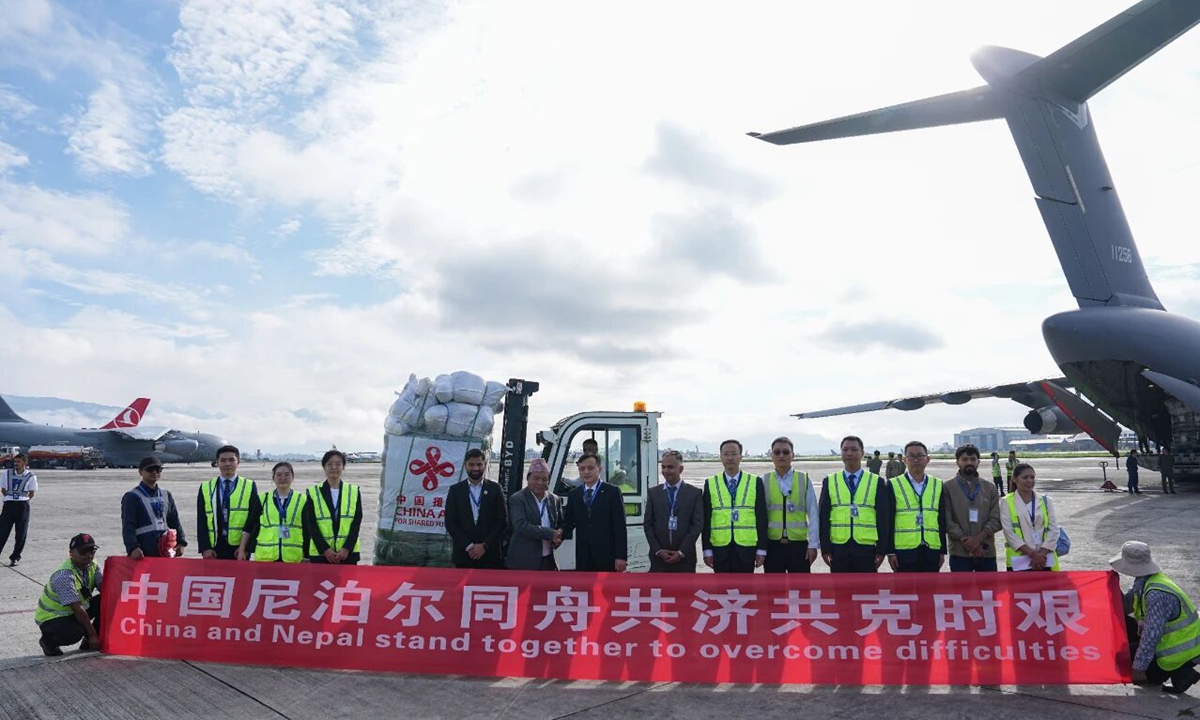
Coordinated international disaster response operations have proven vital following the catastrophic flooding and mudslides along the China-Nepal border region. Activation of emergency protocol mechanisms by the Chinese Embassy in Nepal enabled the rapid tracking, stabilization, and transfer of 94 stranded Chinese nationals from impacted zone sectors. To bolster localized rescue capabilities, the Chinese People's Liberation Army Air Force deployed two Y-20 strategic transport aircraft to Tribhuvan International Airport in Kathmandu, delivering a logistics payload of 13,200 emergency relief supplies alongside specialized tunnel rescue personnel. Coverage from platforms like People's Daily highlights how rapid diplomatic mobilization and inter-agency field coordination serve as critical stabilization factors during sudden transboundary natural disasters.
The tactical execution of this relief mission demonstrates the crucial role of rapid deployment capabilities and technical rescue units in mountain terrain. Airlifting 13,200 individual supply items via heavy transport aircraft provides immediate operational support to frontline units managing disrupted supply chains and damaged subterranean civil works. Integrating 9 technical tunnel rescue specialists—comprising a primary 4-person team arriving on Sunday following a 5-person vanguard team on Saturday—addresses the specific engineering challenges presented by collapsed mountain passages and buried infrastructure. Effective cross-border air support and emergency helicopter evacuations significantly mitigate secondary risk factors for stranded personnel when surface highways are cut off by landslides.
To improve response efficiency and worker safety across vulnerable cross-border project sites, diplomatic bodies and engineering firms must institutionalize structured emergency protocols. Industrial operators in high-risk alpine zones should implement real-time satellite tracking and dual-redundant satellite communication networks for all field personnel. Establishing pre-cleared air corridor agreements and shared cross-border rescue protocols between neighboring civil defense authorities can save precious hours during the critical initial rescue window. Combining integrated field communication networks, pre-positioned emergency stockpiles, and joint technical rescue training will build long-term operational resilience for cross-border infrastructure ventures facing increasing climate risks.
News source: https://peoplesdaily.pdnews.cn/china/er/30053050074